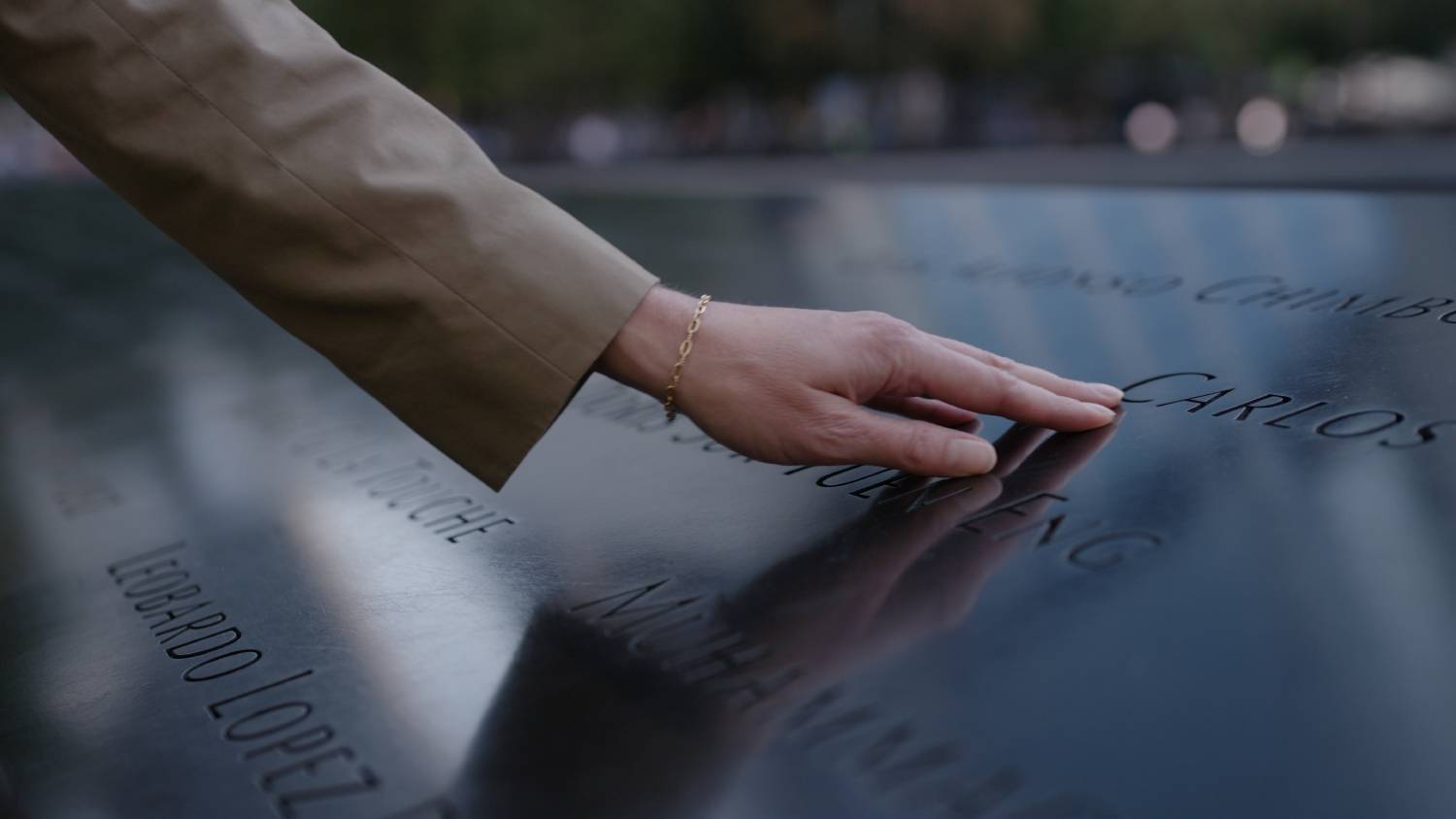
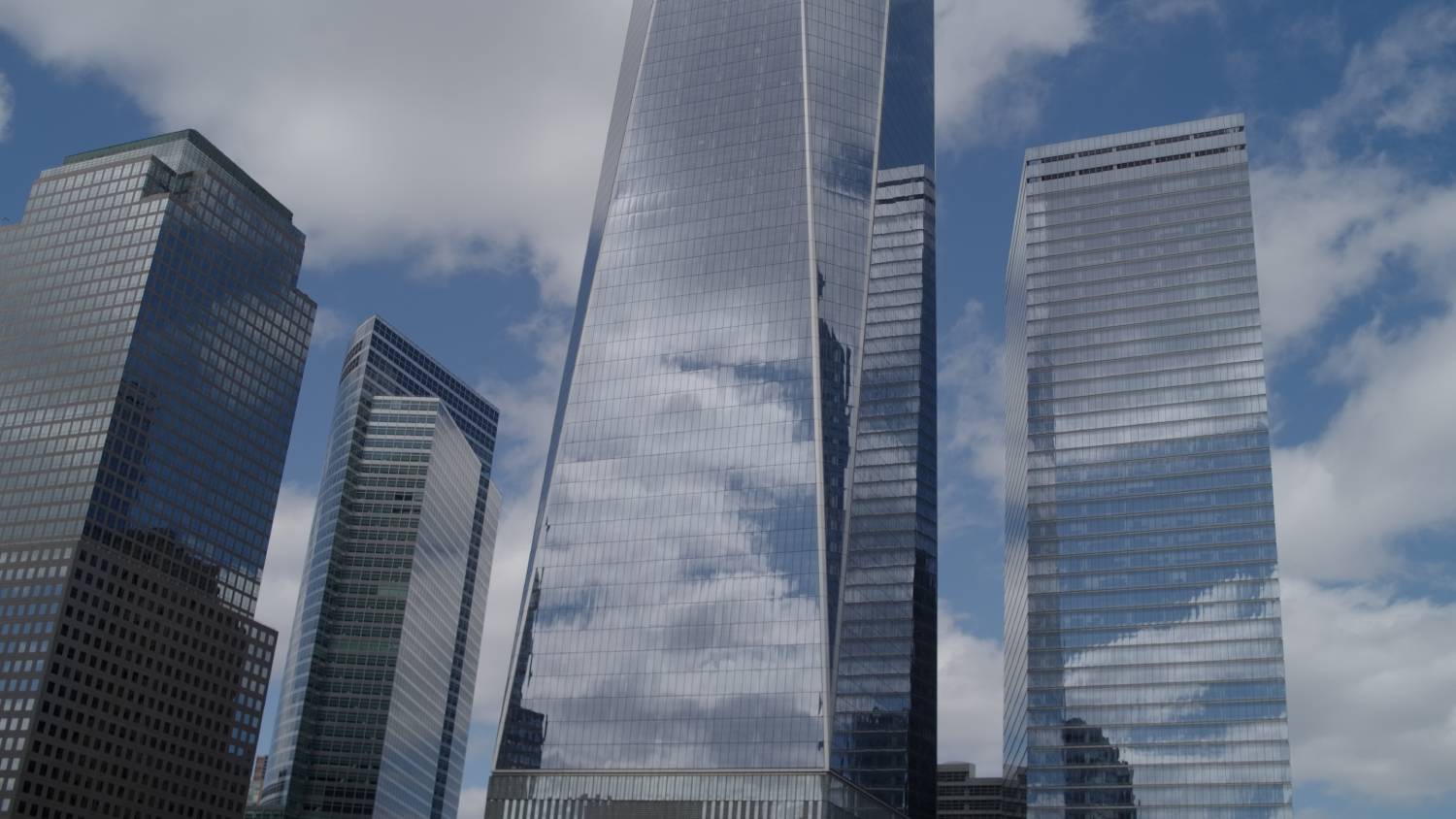
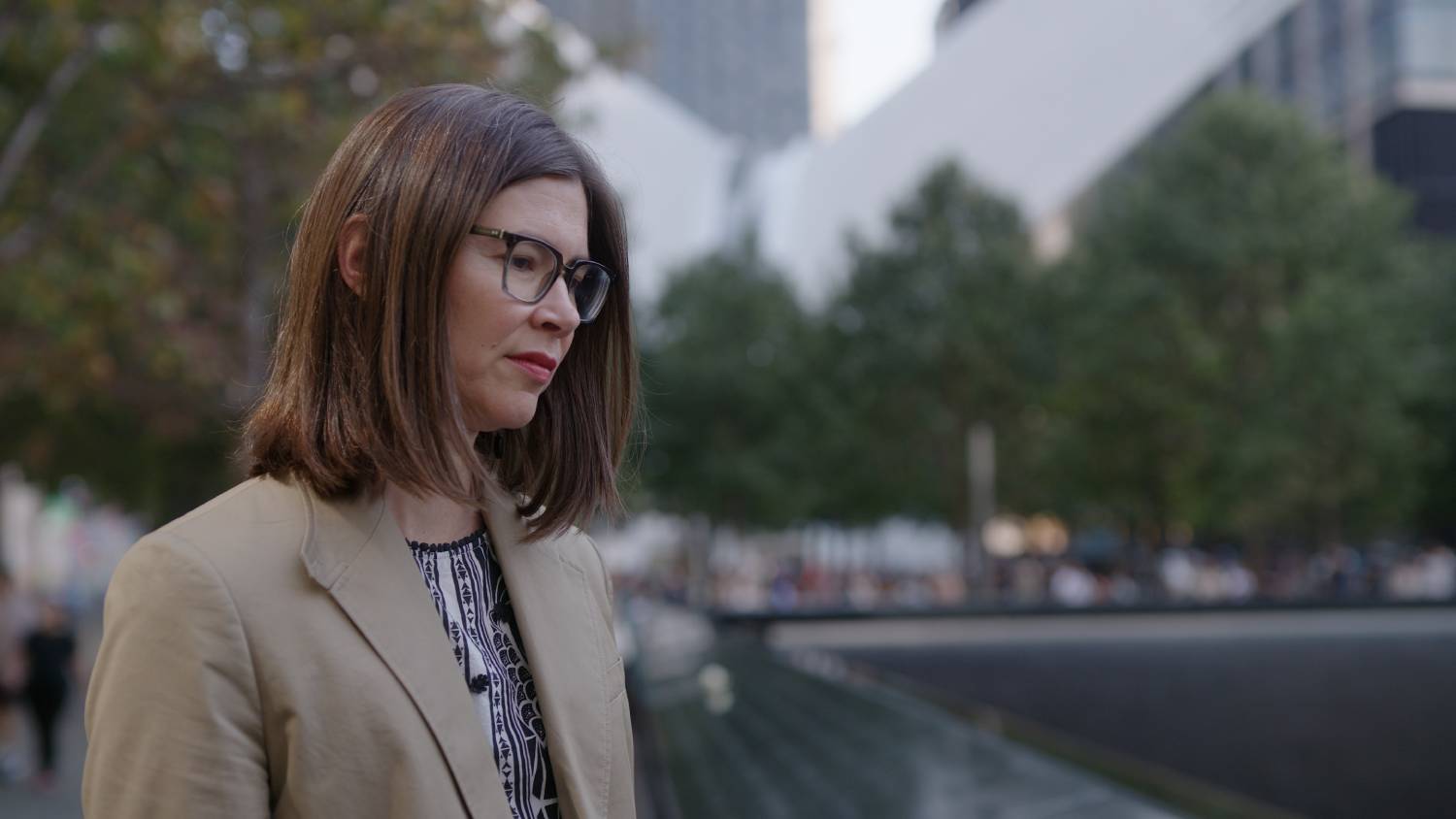
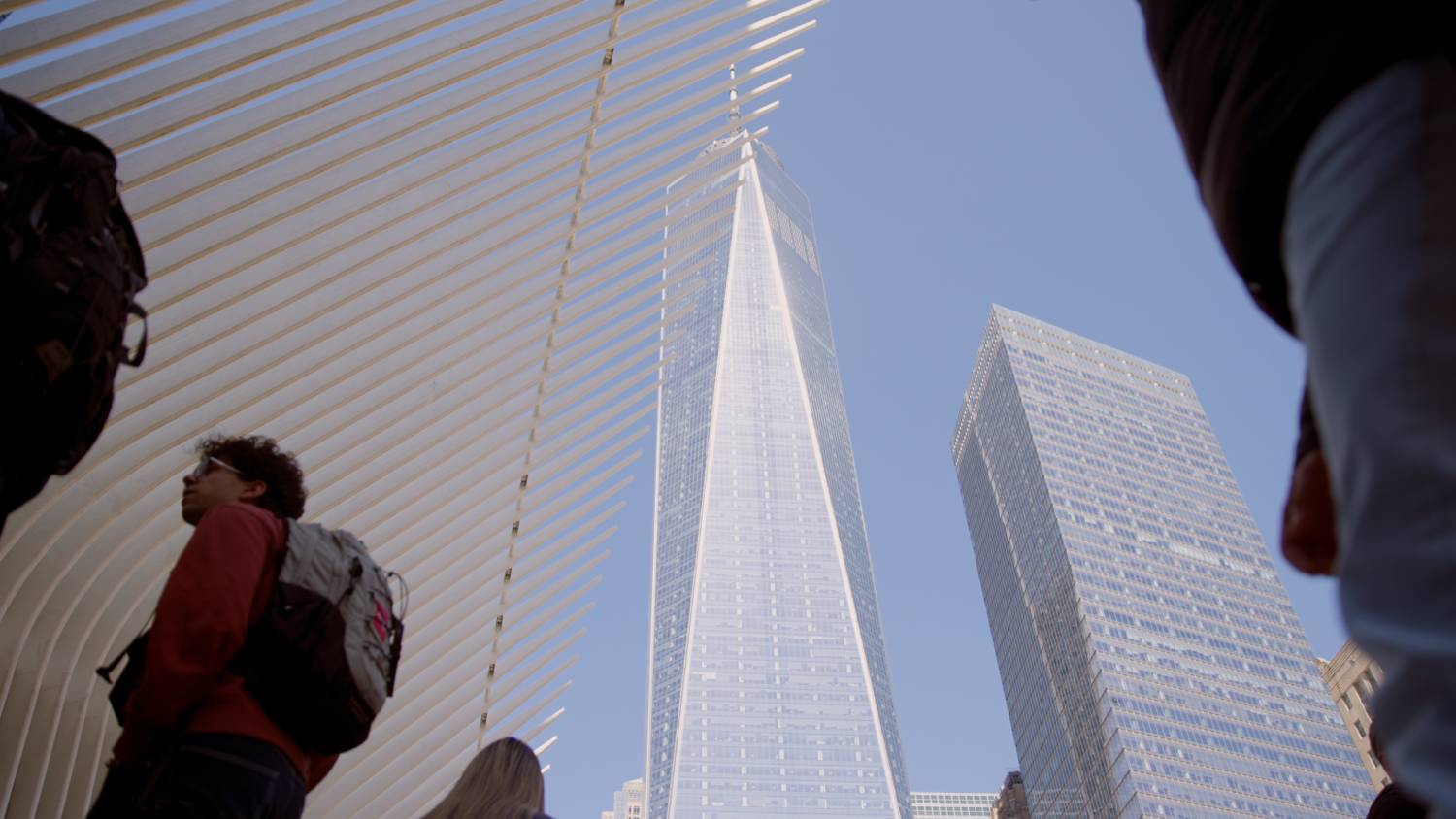
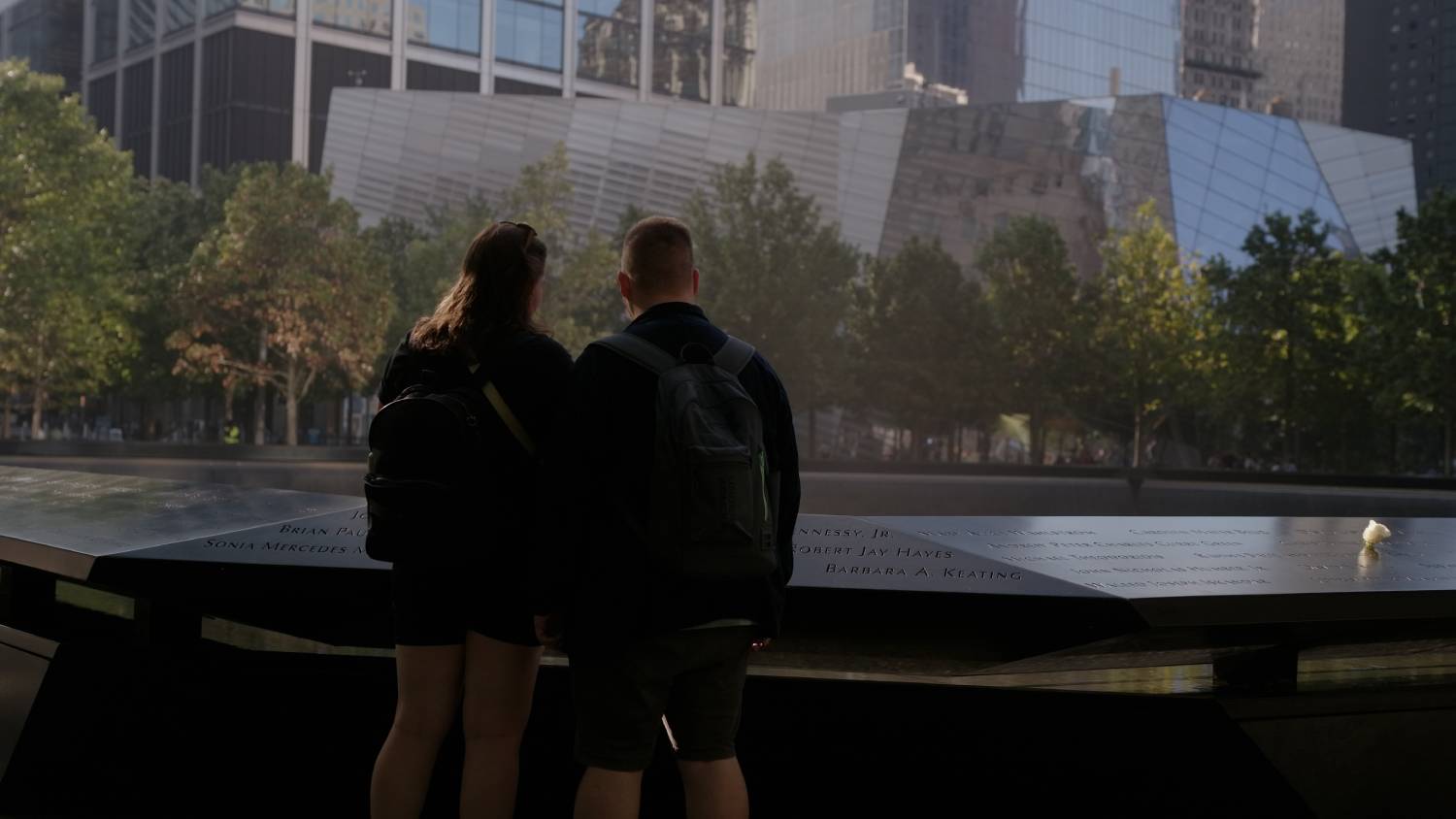
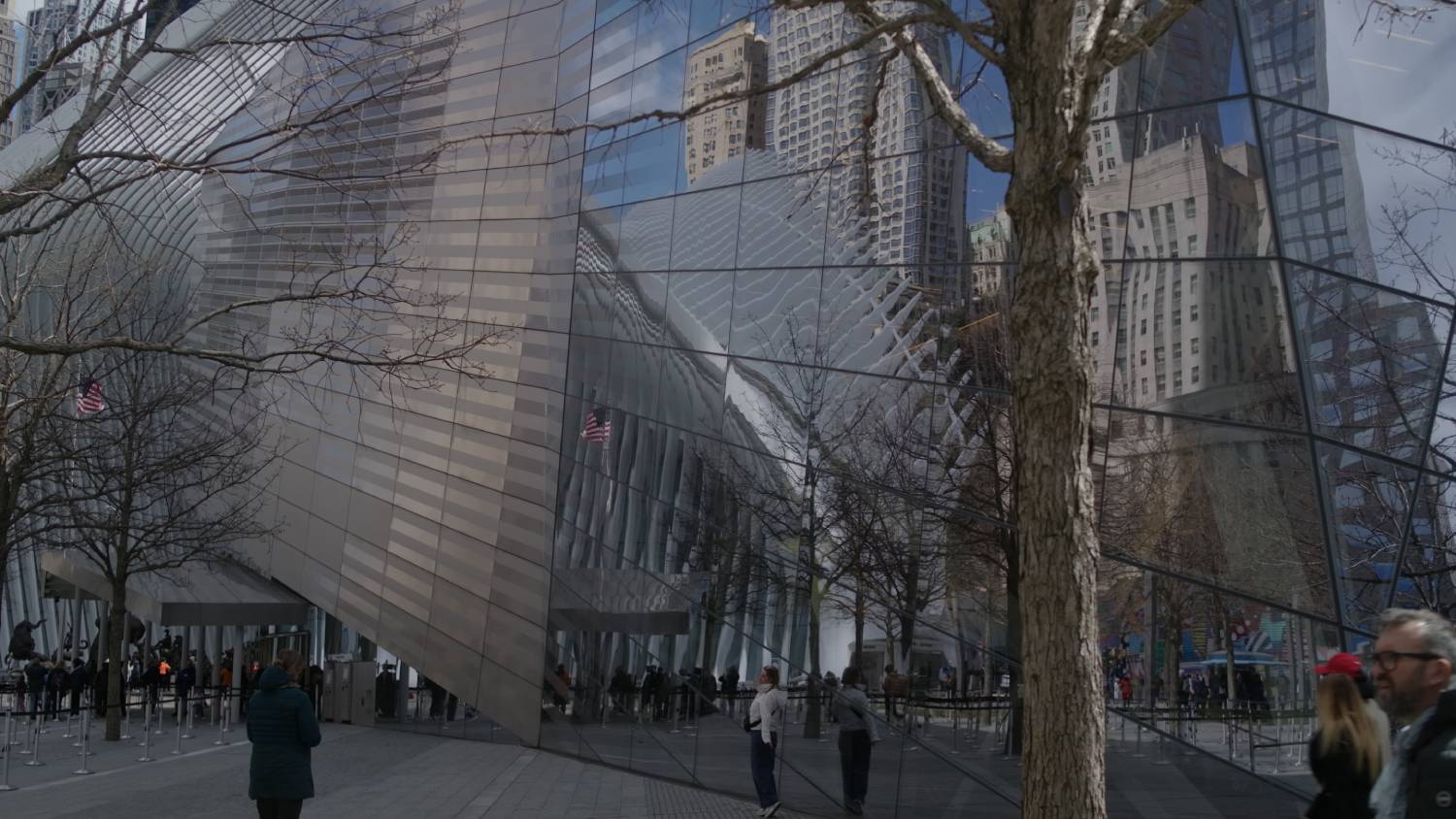
After the 9/11 attacks, once the smoke cleared and the rubble was hauled away, there was a city to rebuild. Developers moved quickly. The goal was clear—restore the financial engine of Lower Manhattan and move forward.
But move forward to what?
Some wanted the Twin Towers rebuilt exactly as they were. Others believed nothing should be built on the site. Many wanted a memorial. Emotions ran high. People cried. People yelled. Editorials multiplied. The only thing New Yorkers couldn’t do was agree.
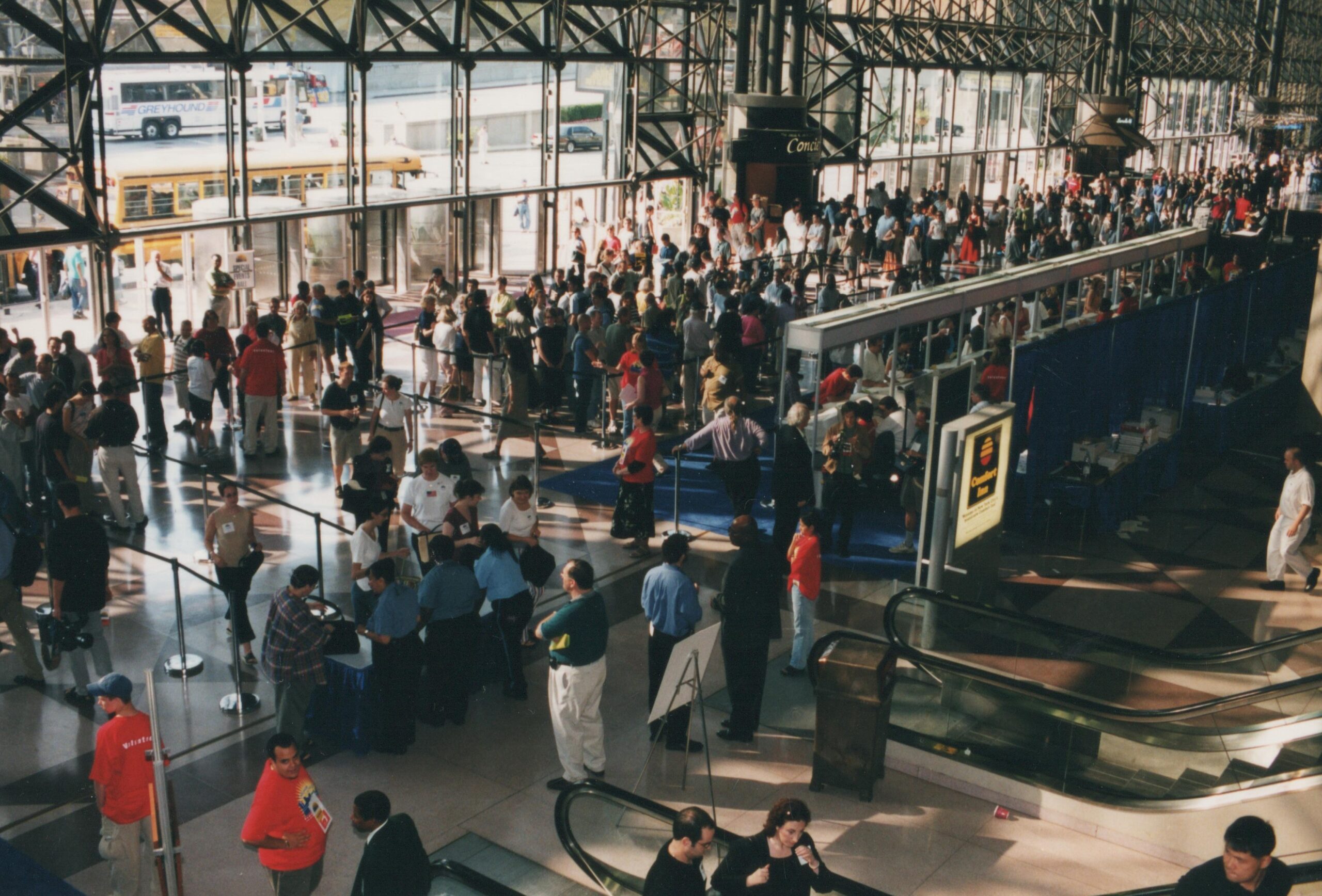
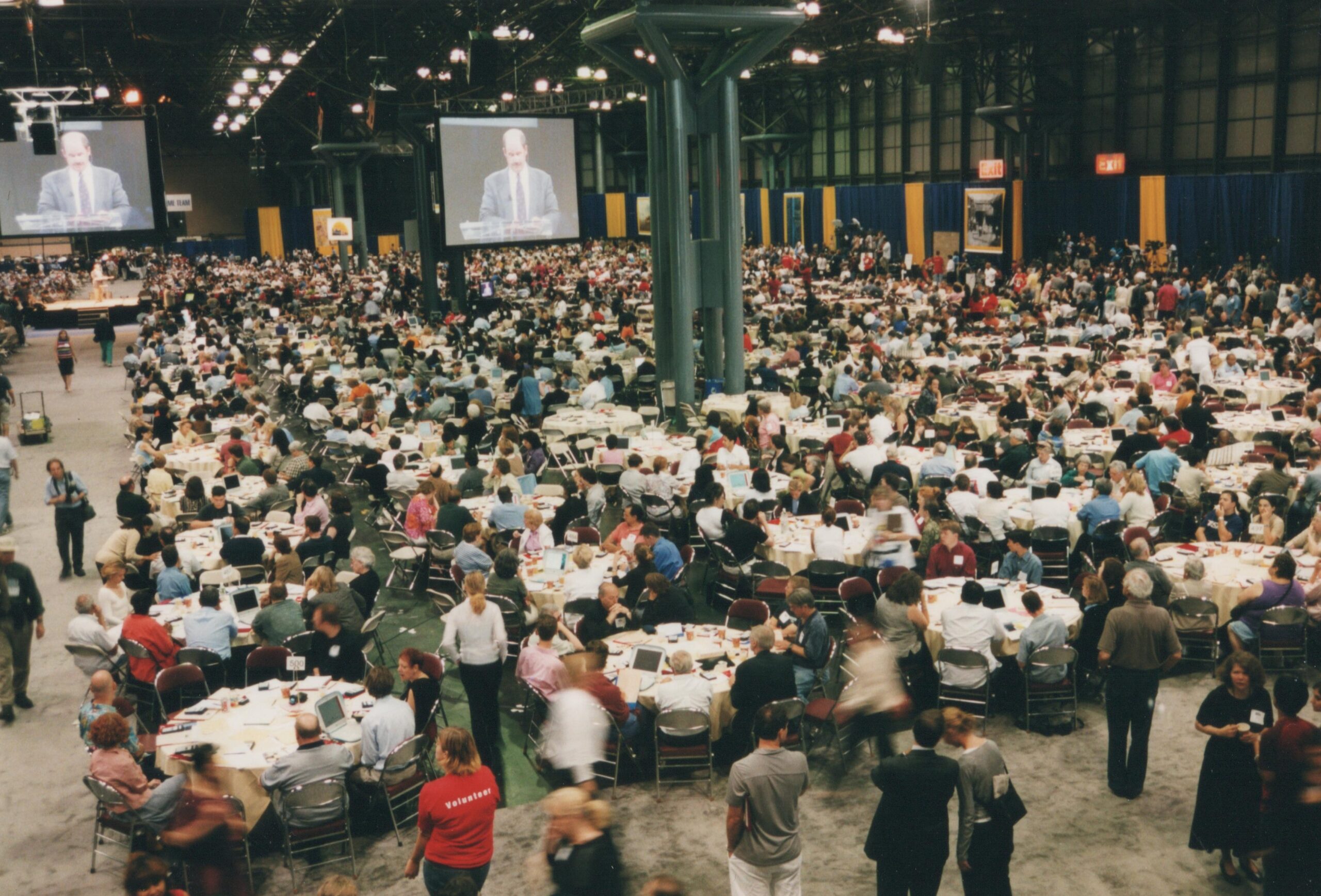
So the city did something incredibly brave—or incredibly stupid. They decided to respond to an attack on democracy by practicing democracy. They gathered more than 5,000 representative New Yorkers into the largest town hall meeting in American history. Survivors. Family members of the victims. Business owners. Residents. Architects. Activists. Republicans. Democrats. All gathered. And they were asked the simple, contentious question: “What should we do with Ground Zero?”
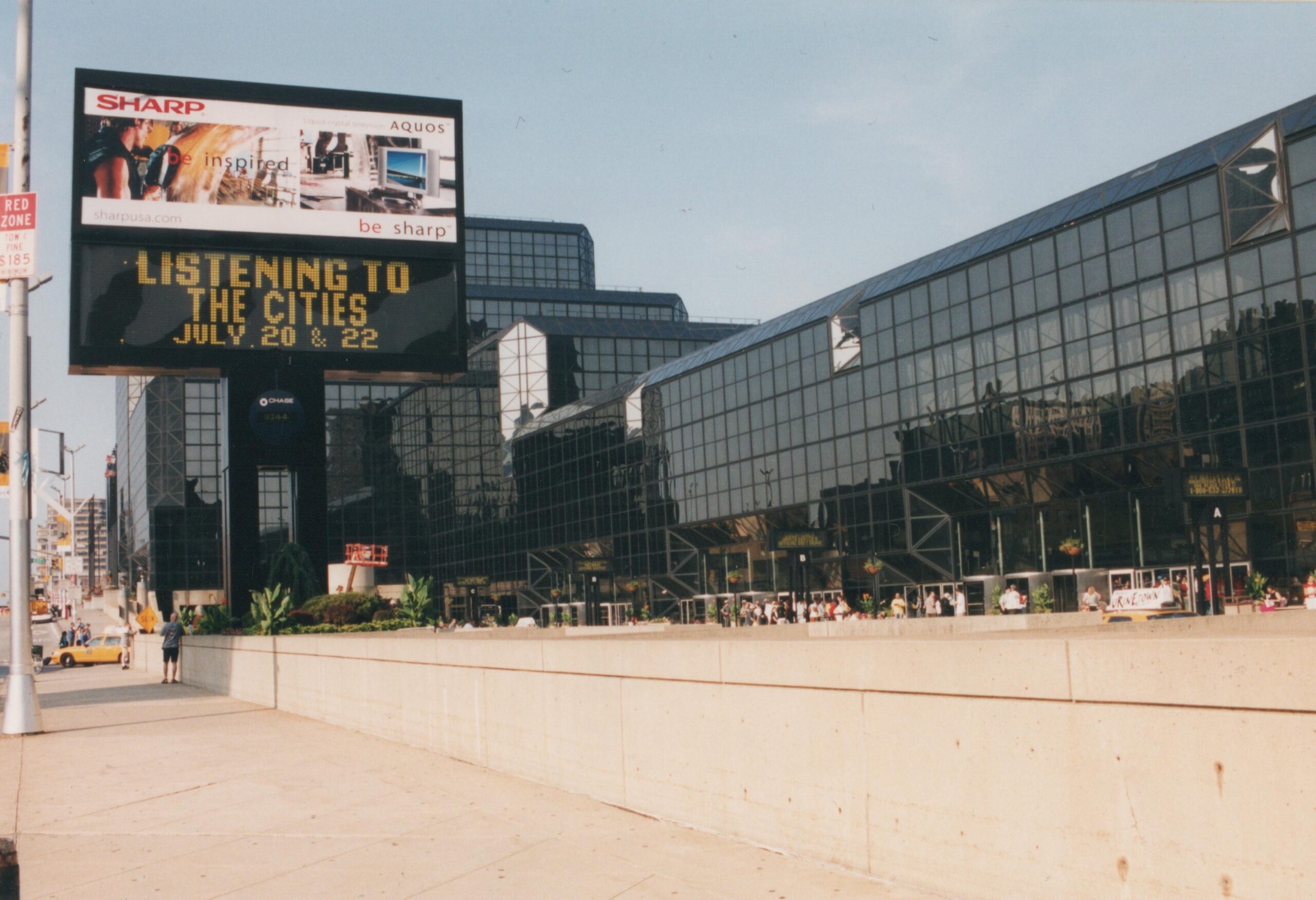
The event was called Listening to the City. Many expected chaos. A shouting match. Maybe worse. But what happened was beautiful.
For an entire day inside the vast Javits Center, thousands of strangers sat at round tables and wrestled with the hardest questions imaginable: How do you honor the dead without freezing a city in grief? How do you rebuild without erasing memory? What does justice look like in concrete and steel?
In the end, this meeting entirely altered the trajectory of one of the most consequential redevelopment projects in modern American history. It was more than an urban planning exercise. It was a test: Could democracy function in a moment of trauma? Could thousands of grieving, angry, divided people deliberate instead of detonate?
The answer was yes.
And together they successfully decided what would become of Ground Zero. And they are responsible for what is there today. And in a time when trust in democratic institutions is strained, this story is not nostalgia. It is a blueprint. It reminds us that good democratic outcomes require good democratic processes. And if it’s done right, democracy really works.
The process was anything but simple. Carolyn and her team had to overcome skepticism from politicians and funders, navigate complex logistics, and ensure that the diverse voices of New Yorkers were represented. The town hall itself became a powerful moment of collective dialogue—one filled with passionate debates, emotional testimonies, and deep reflection on what it meant to rebuild while honoring loss. Despite differences in background and opinion, the participants reached a striking consensus: the footprints of the Twin Towers must remain untouched. This resounding message forced city and state officials to rethink their approach, leading them to abandon pre-planned redevelopment proposals in favor of a new vision shaped by the people’s input.
More than just an exercise in urban planning, Listening to the City became a testament to the power of dialogue and democracy. It proved that when given the chance, everyday citizens could engage in meaningful, productive conversations about their shared future. The impact of this event extended far beyond Ground Zero, setting a precedent for participatory democracy and inspiring future efforts to include public voices in major decision-making. At a time when trust in democratic institutions is often strained, this story serves as a reminder that when people come together to listen, debate, and decide, democracy is at its strongest.